By Ray Bennett
LONDON (Hollywood Reporter) – Setting a television music series in the most famous recording studio in the world is such a logical idea that it’s a wonder no one’s done it before. But better late than never.
“Live From Abbey Road”, a 12-part series of hourlong sessions each featuring three major acts, airs here on Channel 4 and More 4 and is headed for the Sundance Channel in June. (It debuted in Britain in January.)
The show is independently produced under license from the studio’s owner, EMI, by Londoner Peter Van Hooke, a longtime drummer with Van Morrison’s band and an accomplished record producer, and London-based Texan Michael Gleason, a former director of MGM Studios who runs Farm Street Music.
Van Hooke says TV producers have never understood the culture of music and that the long list of poor music shows led artists to be leery of this one: “All the acts, when they came in, were in damage-control mode. The mind-set was, ‘This is a TV music show, so therefore the sound is going to be rubbish, the visuals are going to be rubbish, and they don’t understand our culture.’ The first part of every day has been to get them to understand that this is a very familiar environment and they’re dealing with musicians who understand their credo.”
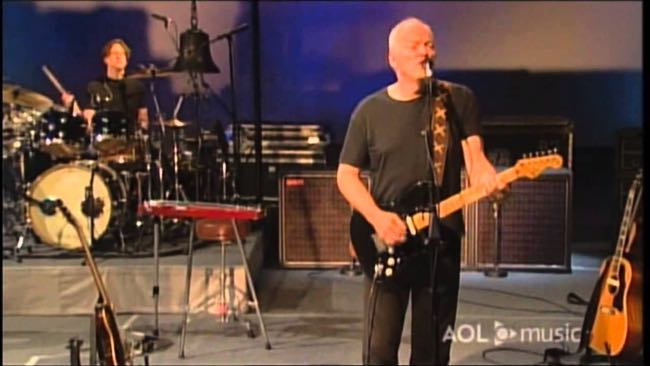
The concept of the show is that each episode features an iconic act, an established singer-songwriter and a breakthrough act. They are seen in the studio as if they are making a record, and the cameras catch conversations in the setup and between takes. Paul Simon, Dr. John, David Gilmour (pictured), Corinne Bailey Rae, Damien Rice, the Kooks, Razorlight, Snow Patrol and Kasabian are among the acts who have signed up.
Van Hooke says, “I feel we have something completely different. I’ve actually thought about why it works in so many ways, and it is very simple. It’s because we have no studio audience, so it’s very, very personal and intimate. Records are not made with audiences.”
Director Annabel Jankel (“Max Headroom”) uses an average of five high-definition cameras to capture the action, and she says, “Once the artists are in Abbey Road, Studio One or Studio Two where we’re shooting, it’s treated as an environment that is being recorded, off-camera, supposedly behind the scenes, down time, interviews, interaction between band members, responses after various takes, the good stuff, the bad stuff and all the stuff in between.”
Van Hooke says record labels have supported the project and he’s delighted with the response from major artists. The only big name who turned him down? His old boss, Van Morrison.
This story appeared in The Hollywood Reporter and Reuters
One winner among the Oscar awards montages
By Ray Bennett
No surprise that the best film montage in last night’s Oscar show was Giuseppe Tornatore’s impressionistic assembly of clips from the Academy’s best foreign-language film winners.
Directors Nancy Meyers (“The Holiday”) and Michael Mann (“Miami Vice”) didn’t bother with such detail and their montages suffered for it. Meyers put together a jaunty look at writers portrayed in movies and while the clips mostly featured typewriters and frustration, it was harmless fun.
Mann’s look at America through its movies was a shotgun affair with nods to many things from immigrants to gangsters to racism to big business, but it ended strangely with lingering scenes of U.S. sacrifices in war followed by James Brown singing “I Feel Good.”
The montage accompanying the tribute to composer Ennio Morricone was a dull collection of snippets of scenes from various films he’s scored with a few bars from his scores. It was not enough to convey the immense sweep and delicate subtlety Morricone brings to his music (e.g. “The Legend of 1900”).
Jodie Foster introduced with considerable grace the annual salute to filmmakers who died in the past year. Such as Glenn Ford, Darren McGavin, Maureen Stapleton, Peter Boyle, Sidney Sheldon, Jack Palance, and Jack Warden left a trove of memories.
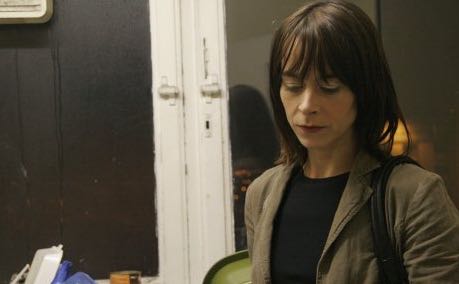
Full marks to whoever assembled the salute for having the wit to end on a shot of the late American master Robert Altman (above) viewing the proceedings with an expression typically wry and skeptical.